
A SCHOOL AGAIN.
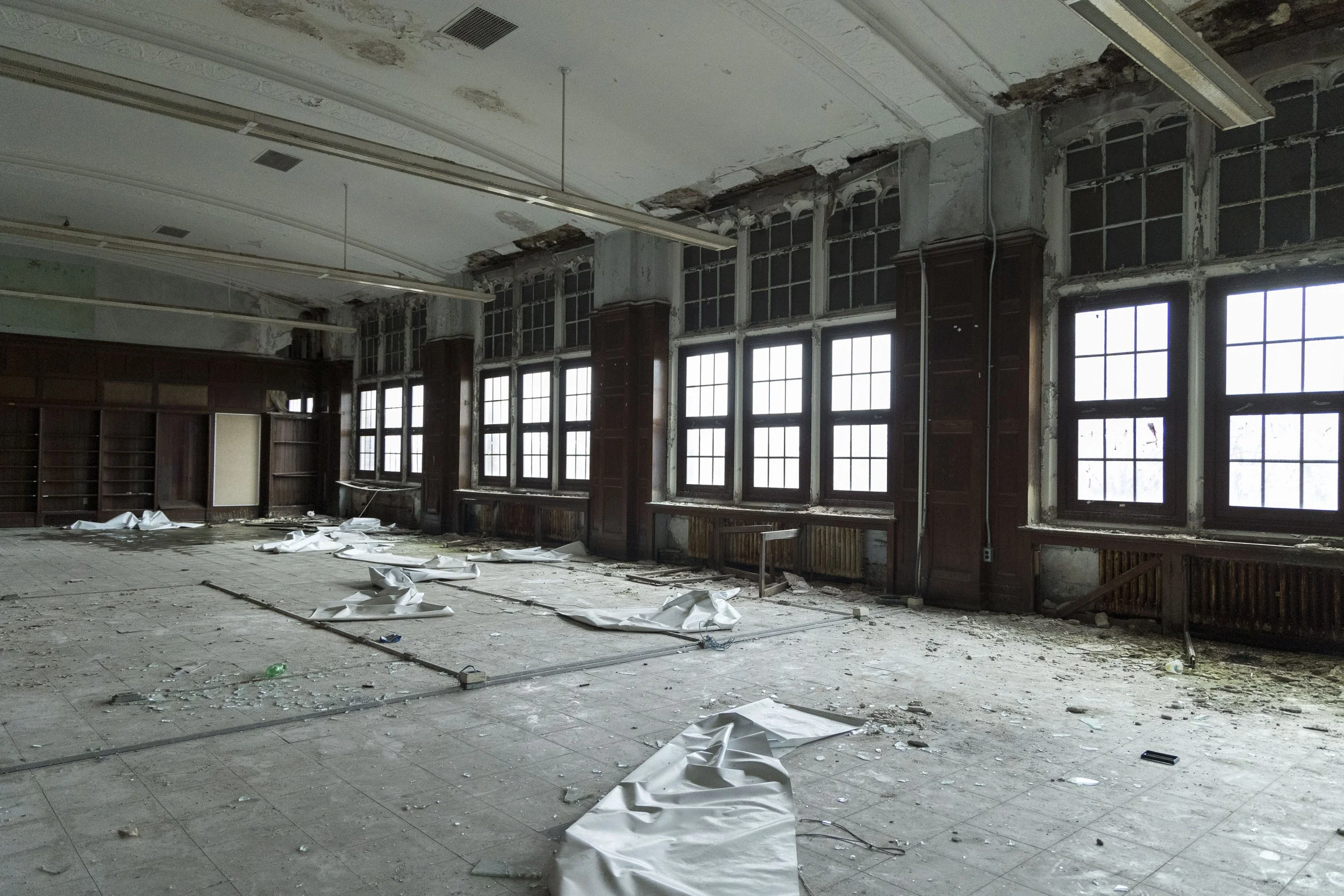
For more than a century, a massive brick school has stood at the corner of Seneca and East Canfield on Detroit’s east side.
It has been a junior high. A neighborhood landmark. An abandoned building. A place thousands of Detroit kids once walked into every morning, and then, for more than 15 years, a place no child walked into at all.
Now, Barbour is becoming a school again.
And we plan to make it extraordinary.
186,000 SQUARE FEET OF IMAGINATION
Barbour Intermediate School opened in 1921 in Detroit’s Pingree Park neighborhood. Designed by the celebrated Detroit architecture firm Malcomson & Higginbotham, the enormous building was created as a place for Detroit children to learn.
And enormous is not an exaggeration.
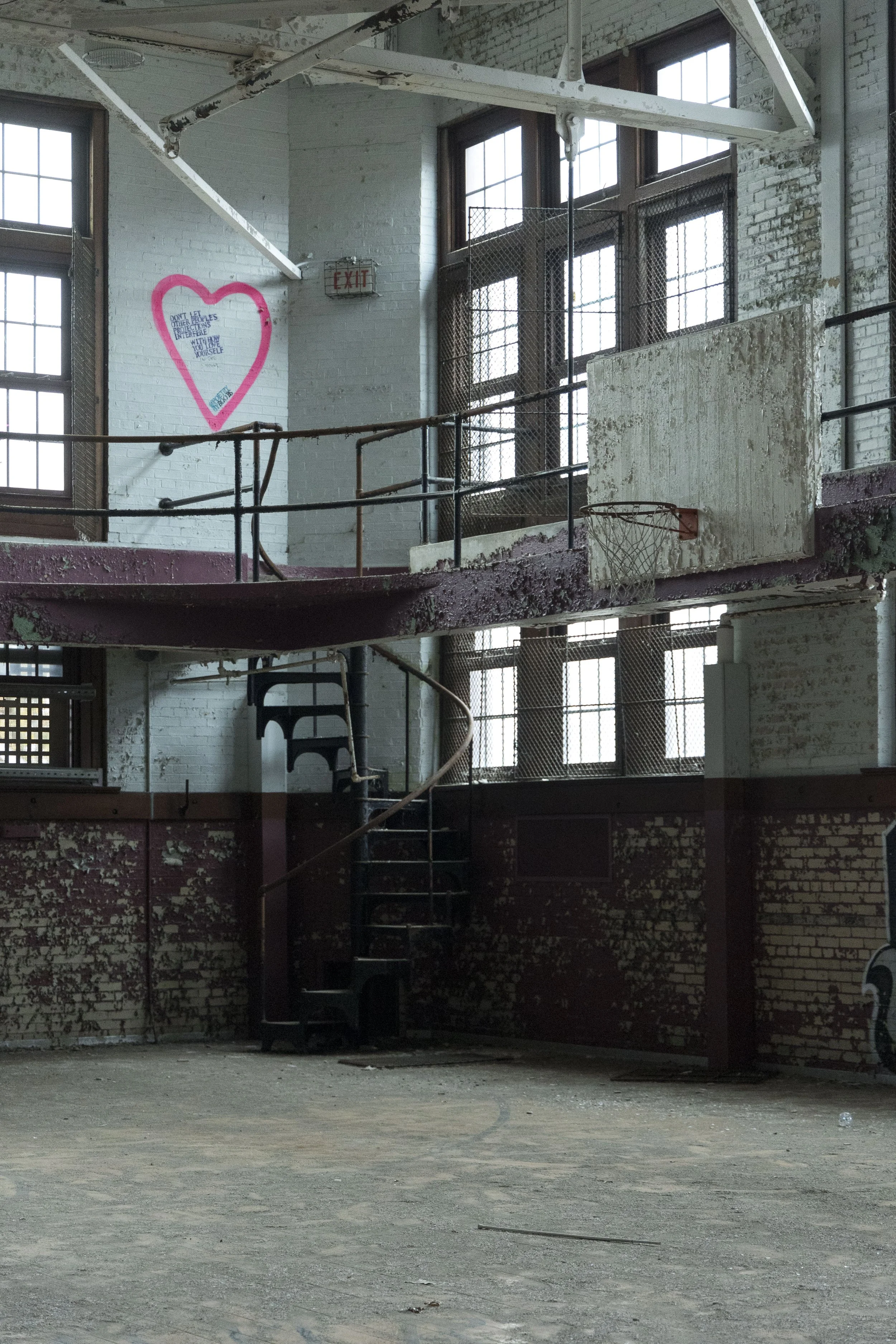
Barbour is 186,000 square feet, with soaring ceilings, enormous windows, wide hallways, two gymnasiums and even two swimming pools.
It was named for Levi Barbour, the Detroit industrialist and civic leader who advocated for the city’s acquisition of Belle Isle.
For generations, it was part of the rhythm of this neighborhood.
Then, in 2009, it closed.
And stayed closed.
WE HAVE BEEN STARING AT IT FOR 10 YEARS.
Detroit Prep opened across the block in 2016.
Which means we never really had the luxury of forgetting about Barbour.
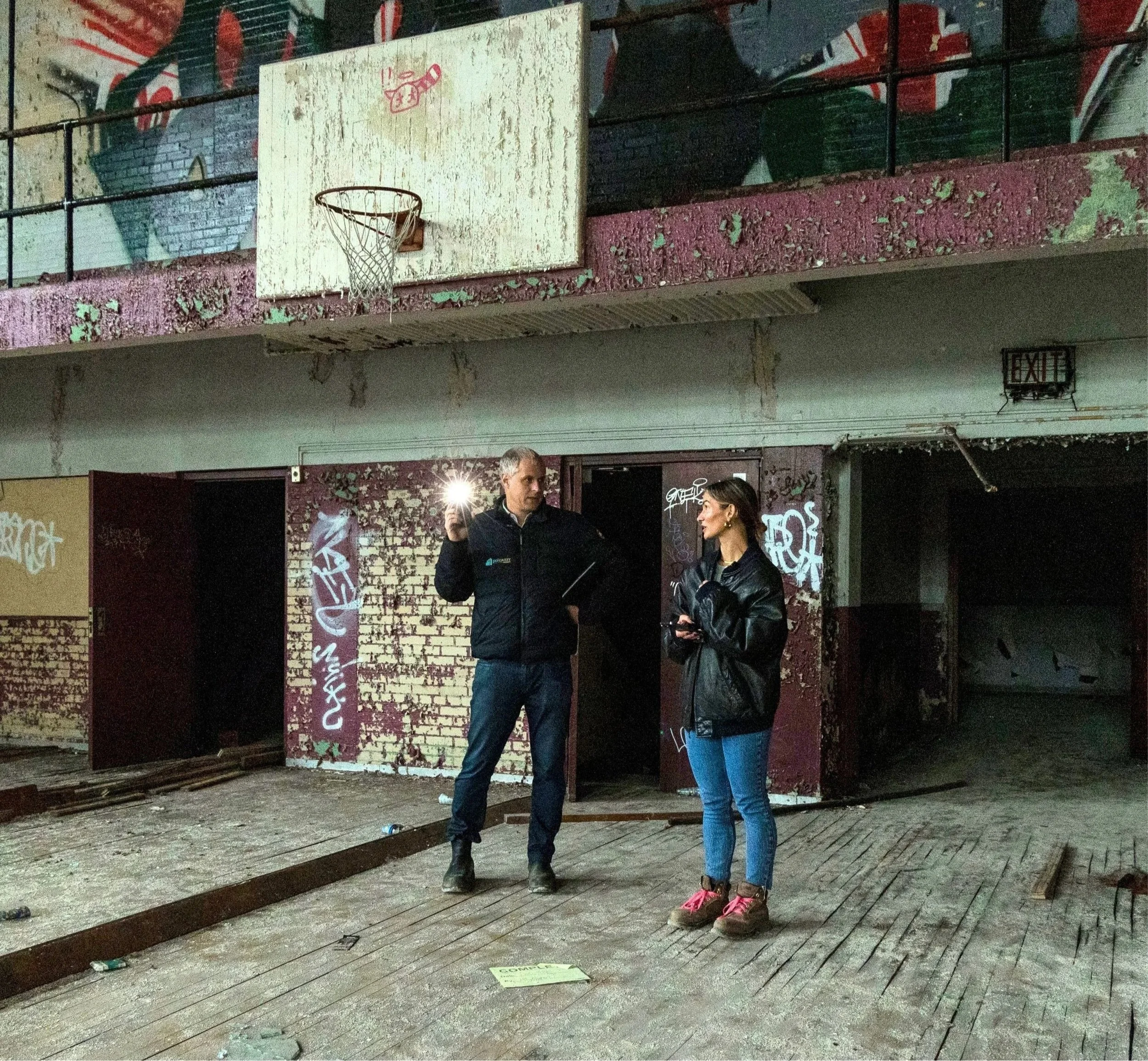
Our students walk past its boarded-up windows on their way to school. Families park beside it at pickup. Kids play next to it and bounce balls off the boards covering its windows.
For years, it has been this huge, beautiful, decaying presence in the middle of our daily lives.
And for approximately that same number of years, Detroit Prep founder Kyle Smitley told anyone who would listen that she was absolutely never buying it.
She had good reasons.
Detroit Prep was thriving and had been named the number one school in Detroit by U.S. News & World Report. Detroit Achievement Academy was thriving too. Running two excellent public schools felt like plenty.
Barbour, meanwhile, is roughly the size of three football fields if you stacked them into a very complicated historic building.
Taking it on felt less like ambition and more like irresponsibility with a very large roof.
Then something changed.
“WE PRAY FOR YOU EVERY SUNDAY.”
One day, a grandmother from the neighborhood stopped Kyle outside Detroit Prep.
She told her that her family prayed for her every Sunday at church.
Specifically, they prayed that she would change her mind about Barbour.
Detroit Prep has more than 1,000 children on its waitlist. To families in the neighborhood, the equation seemed maddeningly simple: there was an enormous empty school sitting next door, and there were children waiting for a seat in a great one.
Around the same time, after years of conversations, Barbour’s owner finally became open to selling.
Eventually, Kyle had to consider the possibility that perhaps the entire neighborhood was right and she was the problem.
WE'VE DONE SOMETHING LIKE THIS BEFORE.
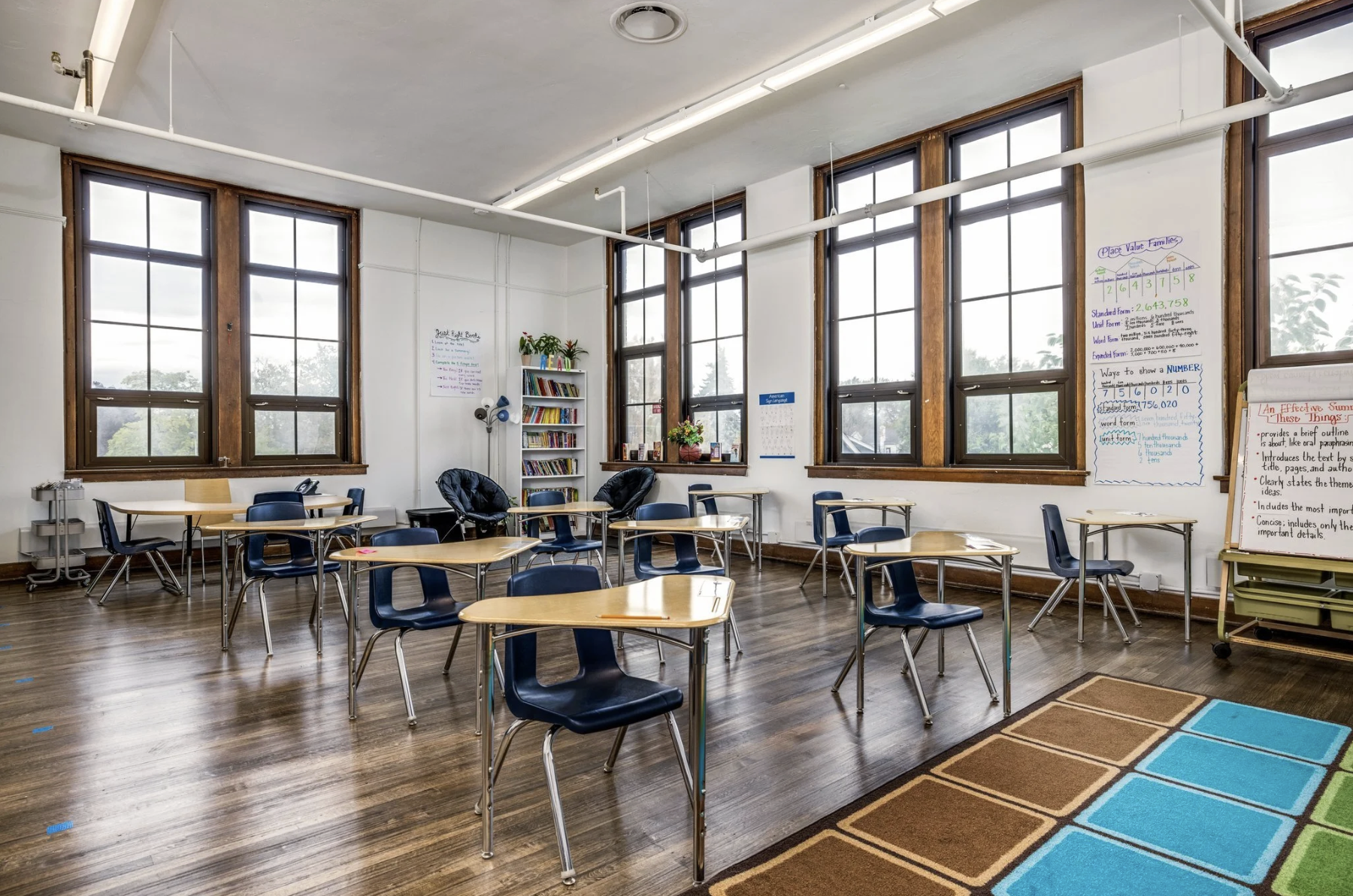
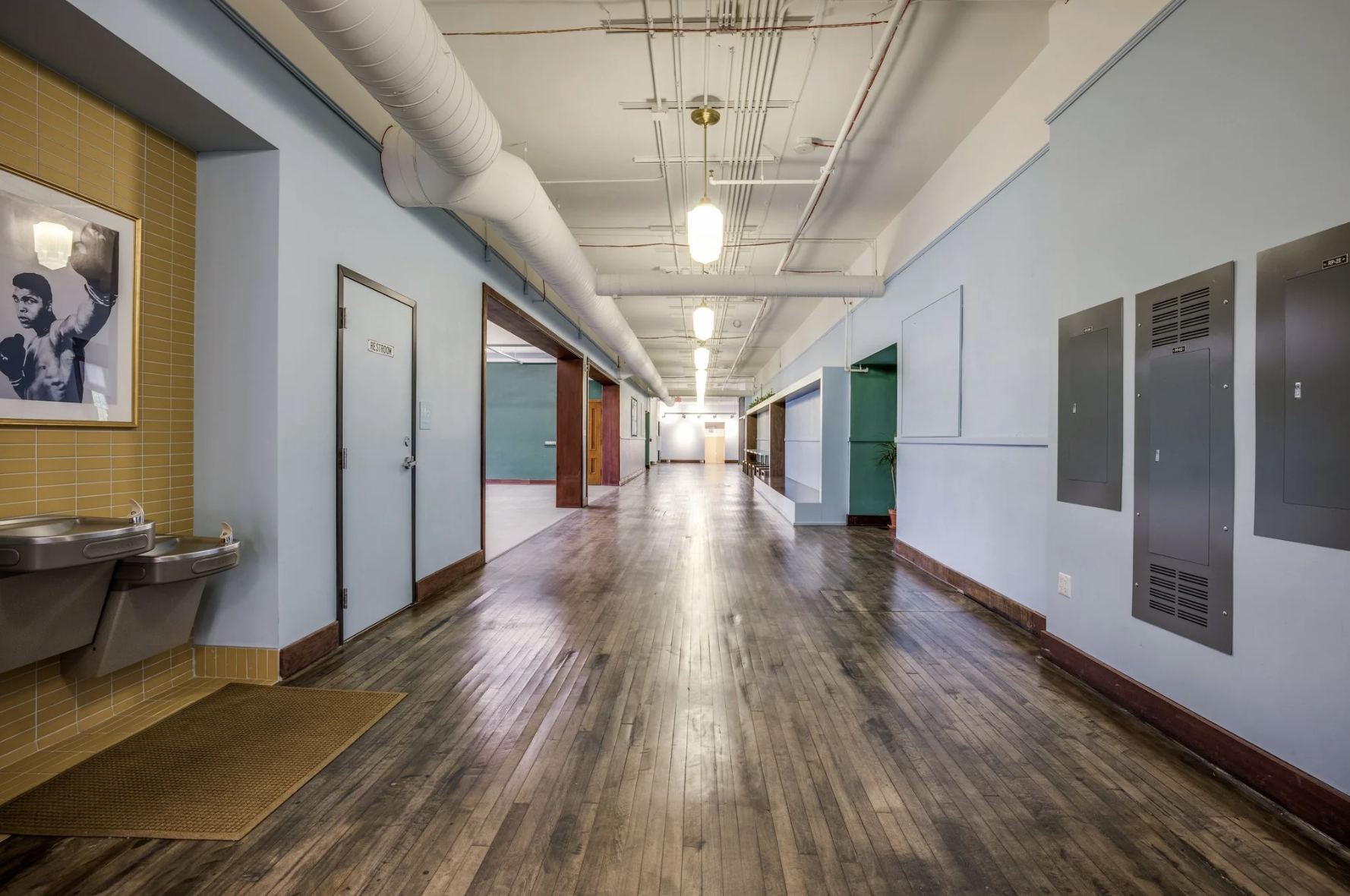
Just down the block sits another century-old Detroit school building: the former Joyce Elementary School.
Joyce opened in 1905 and once served as many as 1,100 neighborhood students. It was named a National Blue Ribbon School in 1996 before closing in 2009. For the next decade, it sat empty.
Then we brought it back.
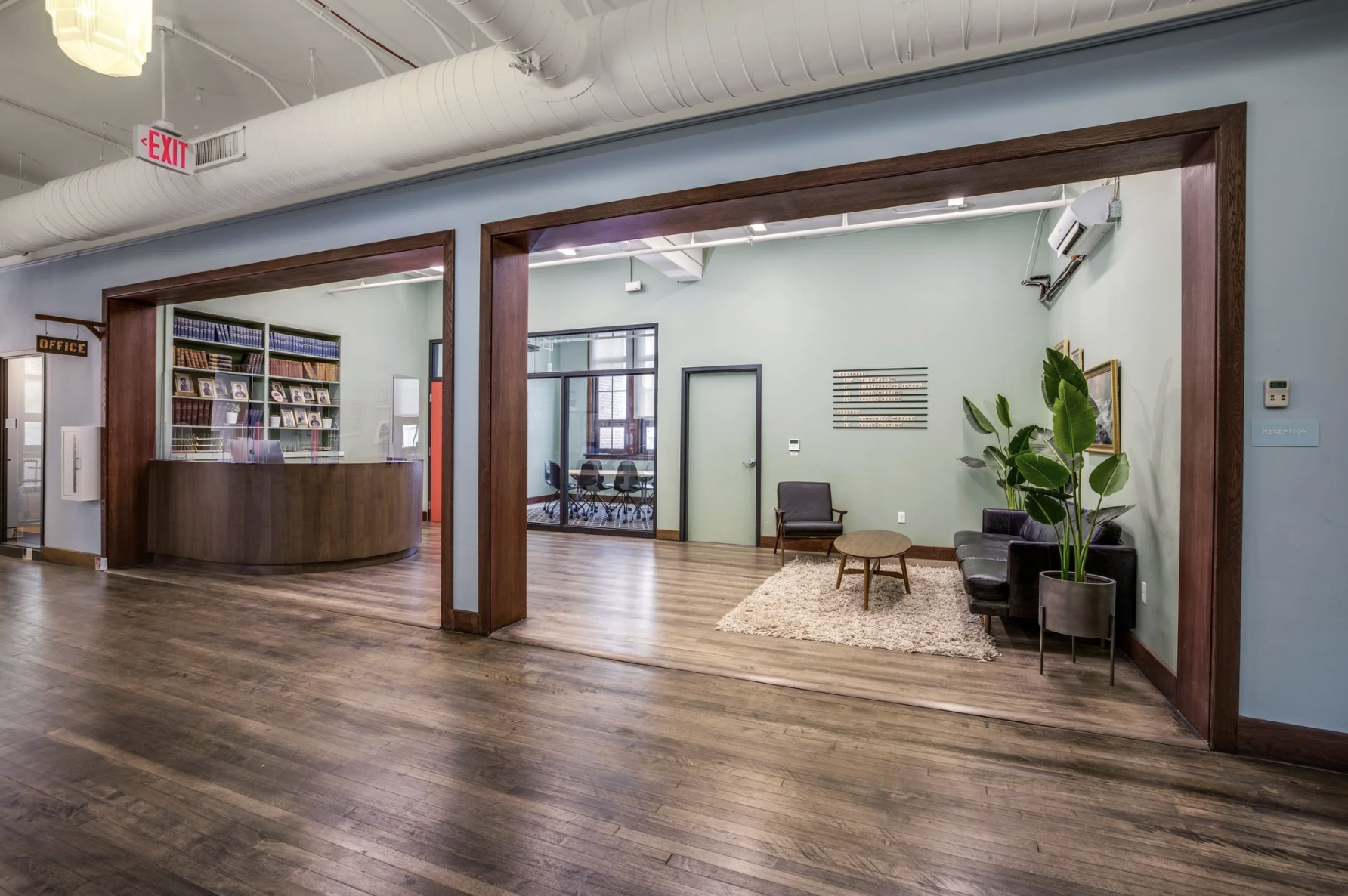
We invested $7 million in borrowed, raised and, frankly, begged-for money to transform Joyce into the permanent home of Detroit Prep.
Three months after opening, the free public school was featured in Architectural Digest.
That mattered to us.
Because why shouldn't a public school for Detroit kids be one of the most beautiful buildings in America?
But something happened afterward that made us understand the project differently.
A SCHOOL CAN CHANGE MORE THAN A SCHOOL.
Years after Detroit Prep opened, a neighbor stopped Kyle with a story.
Before the renovation, after his sister died and he took custody of his nephew, he had tried to refinance his home. The bank valued it at just $34,000. He was underwater and couldn't refinance.
Years later, he tried again.
This time, the bank valued his home at $175,000.
He was able to refinance it and use that new equity to help send his nephew to college.
We wanted to know whether his experience reflected something larger, so we pulled the housing data.
In 2018, the median home sale in the immediate area surrounding Detroit Prep was $31,700. By 2024, it was $172,486. Across the 1,687 homes in the neighborhood area we studied, we estimated approximately $231.9 million in aggregate property-value growth.
Detroit itself was appreciating during those years, and we would never claim that one school caused every dollar of that increase.
But Detroit Prep was the only major development in our immediate area during that period.
And suddenly, we understood something we hadn't fully understood when we started:
A great public school is an investment in the children inside it. A beautiful, thriving neighborhood school can also become an anchor for the families living around it.
That realization changed the way we looked at the enormous empty building next door.
SO WE BOUGHT BARBOUR.
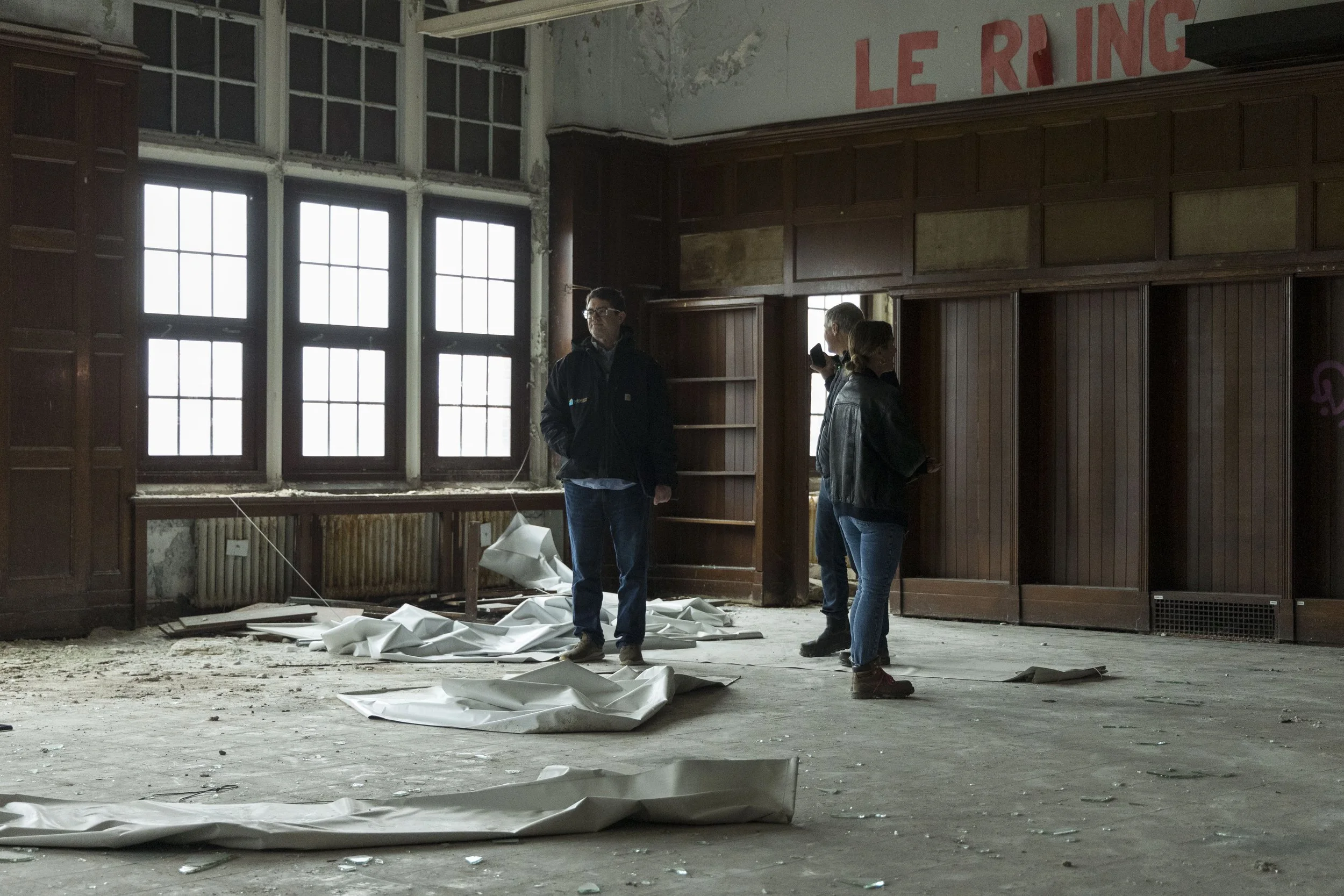
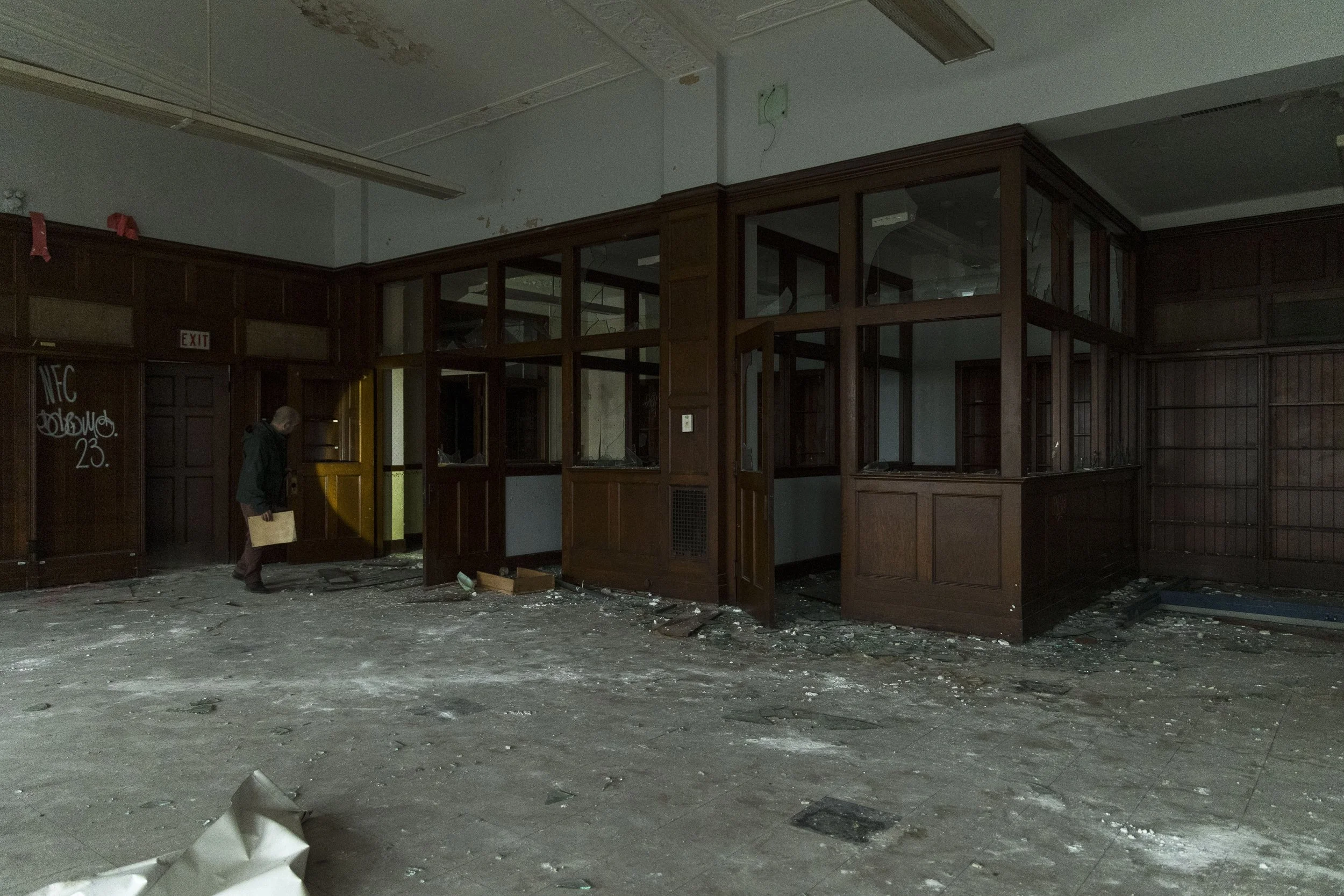
More than 15 years after it closed, Barbour is beginning its next chapter.
We purchased the 186,000-square-foot building for $3.2 million and are now undertaking an approximately $29.5 million restoration and transformation.
This will not be a cosmetic renovation.
After years of vacancy, Barbour needs the decidedly unglamorous things first: structural work, modern electrical systems, heating and cooling, fire protection, masonry restoration, technology infrastructure and everything else required to bring a century-old building into its next century.
Then comes the magic.
We want to preserve the things that make Barbour magnificent: the scale, the sunlight, the wide hallways, the historic details and the feeling you get when you walk through the doors and immediately understand what this place could be.
And then we want to build the future inside it.
THE SCHOOL WE THINK KIDS DESERVE.
Our goal is not simply to make Barbour usable again.
We want to reset the bar for what an urban middle school in America can look and feel like.
Beautiful without being precious.
Technologically current without drowning children in screens.
Flexible enough to change as education changes.
Calming. Bright. Joyful. Inspiring.
A place that makes it obvious, before a teacher says a word, that the children walking through its doors are important.
We think about the design of Barbour as a love letter to Detroit kids and to this neighborhood.
And we want it to be a love letter that lasts another hundred years.
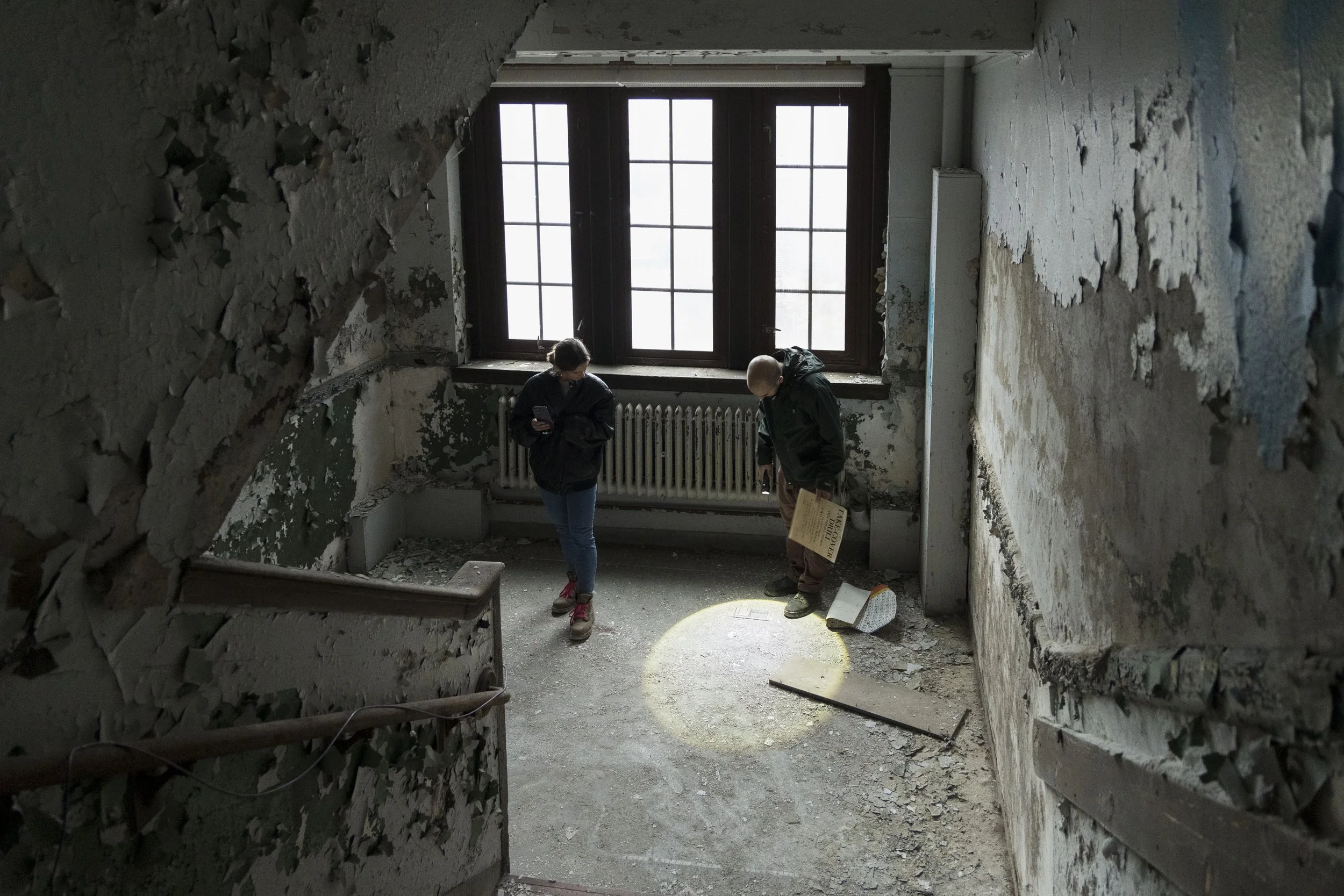
THIS TIME, WE'RE SHOWING EVERYTHING.
Historic renovations are complicated. Financing them is complicated. Buying an abandoned building is complicated. Building a school is complicated.
And far too much of the knowledge required to do any of those things is kept behind closed doors.
So as we bring Barbour back to life, we're sharing the process.
The victories. The disasters. The beautiful discoveries. The extremely unsexy infrastructure. The financing. The design decisions. The moments when a 105-year-old building decides to surprise us with something expensive.
Because Barbour is not the only abandoned building in America.
There are people all over the country staring at a boarded-up school, factory, church or neighborhood landmark and thinking:
Someone should do something with that.
We want to show what happens when someone finally does.
BARBOUR, 1921 → 2029
Barbour opened its doors to Detroit children in 1921.
It closed in 2009.
For more than 15 years, it waited.
In 2029, if everything goes according to our very ambitious plan, children will walk through those doors again.
This time, we intend to make sure Barbour never stops belonging to them.